Can I drive in Peru?
Separating Facts from Fiction vs, Pie-in-the-Sky Thinking About Driving in Peru, Getting to Peru, and What’s Actually Allowed.

Learn what visitors should know before driving in Peru, from Lima’s traffic to the challenges of driving on Andean roads.
Understand the basic requirements for US visitors who want to drive during their stay in Peru.
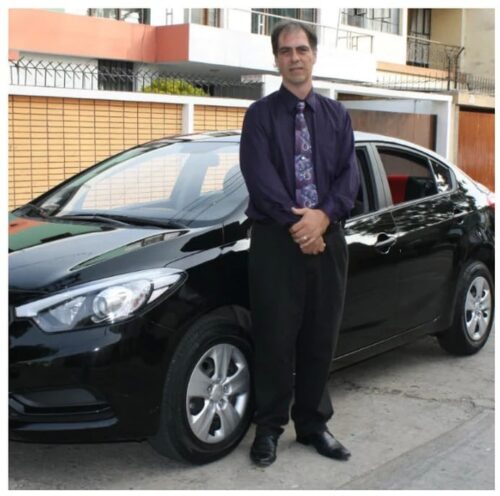
Get a firsthand perspective from a professional driver with 31 years of experience, including 11 years driving in Peru.
Learn why driving from the United States to Peru is different from an ordinary road trip and what makes the journey challenging.
Flying, intercity buses, and private transportation can be practical alternatives to driving yourself. Choose the option that best fits your route, schedule, and comfort level.
Official Government Guidance for Driving in Peru
The UK Foreign, Commonwealth & Development Office (FCDO) publishes official travel advice for Peru, including safety and security information, regional travel warnings, and practical guidance for visitors.
Review official U.S. government guidance on road conditions, traffic laws, and transportation safety.
Peru’s Ministry of Transport and Communications (MTC) explains the driving licence requirements for foreign visitors, including the rules that allow tourists to drive using a valid licence from their home country.
Driving Peruvian Roads
Driving in Peru can give you the freedom to explore at your own pace, but the experience can be very different from driving in the United States. Interestingly, given the range of taxi prices in Lima, you may find that getting around by taxi offers a similar level of freedom.
Traffic in Lima can be demanding, road conditions vary considerably between regions, and mountain routes require a different approach from the highways many visitors are accustomed to.
Before deciding whether to rent a car or rely on local transportation, it helps to understand the driving requirements, the conditions you may encounter, how car accidents are typically handled in Peru, and the alternatives available.
Driving in Peru on a U.S License
Yes. Peru’s Ministry of Transport and Communications (MTC) states that tourists may drive for up to six months from their date of entry using their original, valid driving licence issued in their home country. Tourists must also carry their passport while driving. The MTC’s published guidance does not provide a list of countries whose licences qualify.
For the official source, see the MTC reference above. U.S. visitors should also check current requirements before travelling, as regulations and official guidance can change.
Is It Safe to Drive in Peru?
Peru has gained an international reputation for challenging driving conditions. In a 2023 ranking by insurance comparison company Compare the Market, Peru placed second among countries ranked for the “worst drivers,” behind Thailand. The study considered factors including traffic congestion, road quality and traffic-related deaths, rather than measuring individual driving ability alone.
After 11 years of professional driving in Peru, I can understand why driving here can be demanding. However, the experience isn’t explained by driver behaviour alone. Traffic design, road conditions, enforcement, and the way different road users share space all play a part.
The best way to describe driving in Peru is “agreed-upon chaos.” What looks unpredictable to a first-time visitor can sometimes make more sense once you understand the local rhythm. That doesn’t mean every manoeuvre is safe or predictable, though, and newcomers should give themselves time to adjust. Simply telling you that traffic rules are more of a suggestion would be irresponsible of me.
You can read more about the study and its findings.
Can I Drive to Peru From the US?
You’re not the first, and certainly won’t be the last, to think about driving from the U.S. to Peru. I considered it myself 18 years ago.
While the idea sounds like an adventure, there’s a lot to consider before setting off. The biggest obstacle is the Darién Gap, a roadless stretch of jungle between Panama and Colombia that interrupts the Pan-American Highway. You can’t drive the entire route continuously; getting your vehicle past this section requires separate transport.
There is a lot more to think about besides the actual driving. Fuel for example is not the same quality or as easily accessible as you are used to, tolls, informal tolls, where you may be stopped by locals and forced to pay a toll you didn’t plan on. Fuel prices can range wildly as well.
There are also legal requirements to consider. Every country you pass through has its own rules for vehicle insurance, temporary vehicle imports, and how long you can keep a foreign-registered vehicle in the country. Don’t assume your U.S. auto insurance will cover you throughout the journey.
Peru, for example, requires a foreign-plated vehicle entering temporarily for tourism to have the appropriate customs authorization and valid Peruvian SOAT insurance. The vehicle is only authorized to remain for a specified period, generally linked to the time granted by immigration. You’ll need to make sure the vehicle leaves Peru before that authorization expires or obtain an approved extension.
Temporary entry for tourism is generally exempt from import taxes, but that doesn’t mean you can leave the vehicle in Peru indefinitely or ignore the paperwork. Overstaying the authorized period can lead to penalties and even the loss of the vehicle. And if you intend to import the vehicle permanently rather than bring it in temporarily as a tourist, the rules and potential taxes are different.
Does Lima have Pico y Placa traffic restrictions?
Lima introduced a Pico y Placa system in 2019, restricting certain vehicles on major roads according to the final digit of their registration plate during peak traffic hours. The system was subsequently suspended and is not currently in general operation.
However, temporary traffic restrictions, road closures and access controls can still be introduced for specific areas or events. Drivers should check current municipal announcements before travelling.
For international visitors, the practical takeaway is that you should not assume your rental car is subject to a daily number-plate restriction, but you should remain aware of temporary traffic controls.
Alternatives To Driving In Peru
If you’d rather explore Peru without navigating unfamiliar traffic yourself, a pre-booked private transfer gives you another option. You can arrange your airport transportation in advance and travel directly to your hotel without having to drive yourself after a long flight. The best part? Nobody needs to know whether you were ever considering renting a car in the first place.
Pro Tip: If you feel uneasy about driving in Lima before you arrive, trust that instinct. Lima traffic rewards local familiarity, patience, and quick decision-making. It is very different from driving in most U.S. cities, even busy ones. I’m not suggesting you don’t know how to drive, but with 31 years of commercial driving experience behind me, I can tell you that driving here is a whole different beast.
Here’s an idea of the difference. If you live and drive regularly in New York City, and I don’t mean just driving to the supermarket or commuting ten blocks to work every day, you probably have the experience needed to handle Lima’s traffic. On the other hand, if you live and work in Van, Texas, you may be in for a serious adjustment. Lima alone can throw more at you than you might expect.